
Work backwards from the longest day
Get the guide’s description of each day. Ask about time on foot, climbing, descent, ground underfoot and the weight you will carry. A distance in kilometres tells you very little about how your legs will feel coming back down a long slope. Put your most recent outing next to the itinerary. Which part of the day is unfamiliar? Start there.
Build useful hill days
Choose a local hill walk you can already complete comfortably. Use it to practise moving at a steady pace, eating on a break and adjusting layers before you get cold. Build towards longer outings as your experience allows. Bring the pack, socks and footwear you plan to travel with. On a later outing, notice how you feel on the descent and the following morning.
Rehearse the inconvenient parts
Can you reach your water without emptying your pack? Does your headtorch sit comfortably over your hat? Can you get your waterproof on with cold hands? Try these things at home and on local walks. A rehearsal only has to uncover one annoying problem to earn its place in your preparation.
Altitude needs its own plan
Ask your guide about sleeping elevations, time to acclimatise and what happens if someone develops symptoms. If you develop symptoms at altitude, tell the guide promptly and do not ascend further while symptoms persist. Fitness training at home does not replace a gradual ascent. Read the NHS information on altitude sickness and discuss individual health concerns before travel.
See what the group did
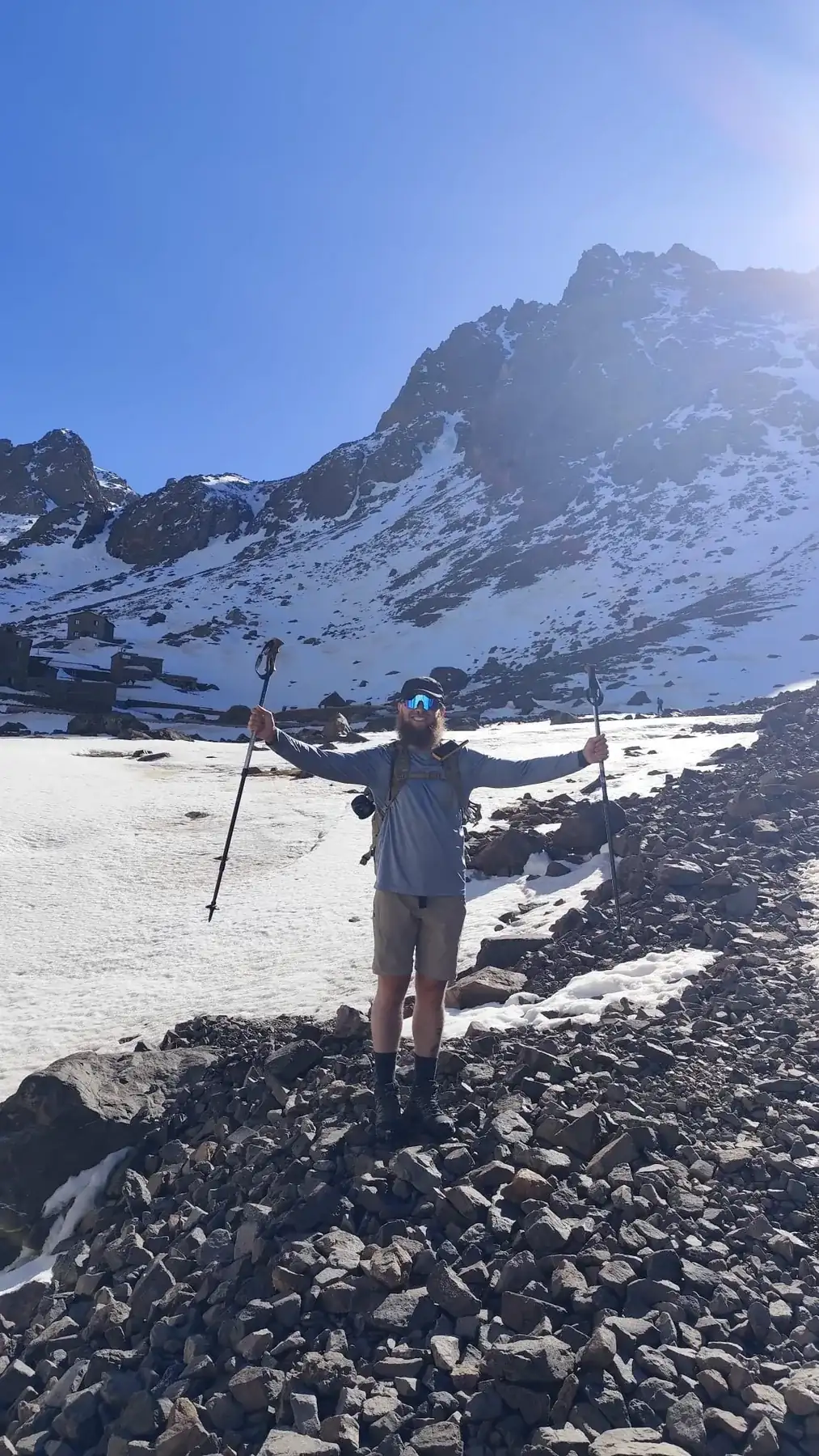
The Brotherhood has travelled to Mount Toubkal. The expedition page shows the kind of experience involved. For another trip, work from that departure’s current guide briefing and expedition preparation checklist.
From The Brotherhood Community, County Wexford. All field guides.